
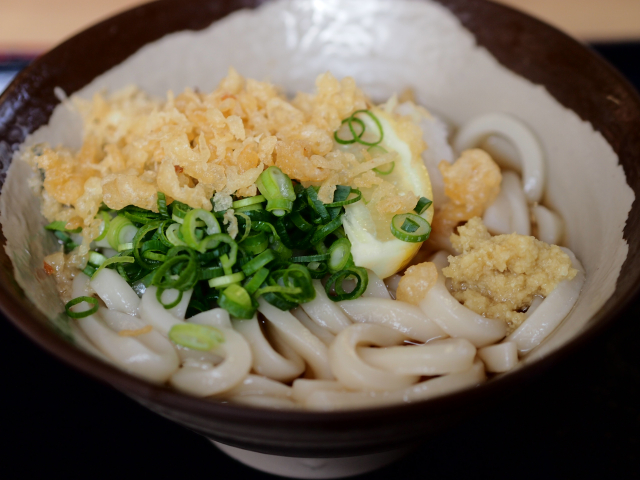
Smooth and pleasantly chewy. With rice-flour udon, the way you boil it can make a big difference to the texture. In this article, we clearly explain how to cook rice-flour udon deliciously, share tips for bringing out a springy bite, and suggest both warm and cold ways to serve it. Even gluten-free, your everyday udon can be even tastier.
The Basics of Cooking Rice-Flour Udon Well
Rice-flour udon can be boiled just like wheat udon, but it softens quickly. The keys are “plenty of water” and “following the time on the package.” Once it’s done, enjoying it right away is best.
How to Boil Fresh Noodles
- Bring plenty of water to a boil in a large pot (a guideline is at least one liter per serving of noodles).
- Loosen the noodles as you add them to the boiling water and boil for exactly the time stated on the package.
- For warm udon, simply drain; for cold udon, chill it firmly in cold water to rinse off any sliminess.
How to Boil Frozen Noodles
Add frozen noodles still frozen to plenty of boiling water. Once the water returns to a boil, cook for the time on the package and finish warm or cold to taste (if microwave-safe, follow the package instructions).
Three Tips for a Springy Bite
- Use plenty of water at a full boil: this keeps the noodles from sticking together and cooks them evenly.
- Chill firmly in cold water: for cold udon, tightening the noodles in running and ice water brings out their springiness and smoothness.
- Eat fresh, and soon: rice-flour noodles soften quickly, so enjoy them right after cooking.
Delicious Warm and Cold Serving Ideas
For warm udon in broth, pairing it with gluten-free “ando no dashi” is easy and recommended. For cold bukkake or zaru udon, add condiments to the dipping broth for a refreshing taste. Kamatama, where you coat the noodles in egg, and toppings like meat or kimchi also pair beautifully.
Arrange Recipes for Even More Enjoyment
Soboro udon, curry udon, meat kamatama, yaki udon: rice-flour udon offers a wide range of variations, just like wheat udon. You can find detailed recipes on our recipe page.
Frequently Asked Questions
Questions like “Does it soften easily?”, “How should I store it?”, and “Can I eat it with a wheat allergy?” are gathered on our FAQ page. For the basics of rice-flour udon, also see “What Is Rice-Flour Udon?”
Summary
Boil rice-flour udon in plenty of water for the stated time and chill it in cold water; just these basics give you smooth, chewy deliciousness. With rice-flour udon made from 100% Hiroshima-grown non-glutinous rice flour and free of additives, make your everyday table even more free.